
Perspectives that drive progress
We share our insights on IT strategy, technology trends, security, and the people behind digital transformation—helping you navigate the evolving IT landscape with clarity and confidence.
Today’s highlight
Today’s highlight

Jun 3, 2026
/
Post by
Justin Medina
In late May 2026, Carnival Corporation disclosed a significant cybersecurity breach impacting nearly six million individuals. According to public disclosures, attackers gained access through a compromised employee account after successfully using social engineering techniques. The breach resulted in unauthorized access to personal information including names, addresses, contact information, and certain government identification details.

Most business leaders assume their technology environment is relatively simple. They know which computers are deployed, which software subscriptions are approved, and which cybersecurity tools are protecting the organization. Unfortunately, that assumption is often wrong.
Most business leaders assume their technology environment is relatively simple. They know which computers are deployed, which software subscriptions are approved, and which cybersecurity tools are protecting the organization. Unfortunately, that assumption is often wrong.
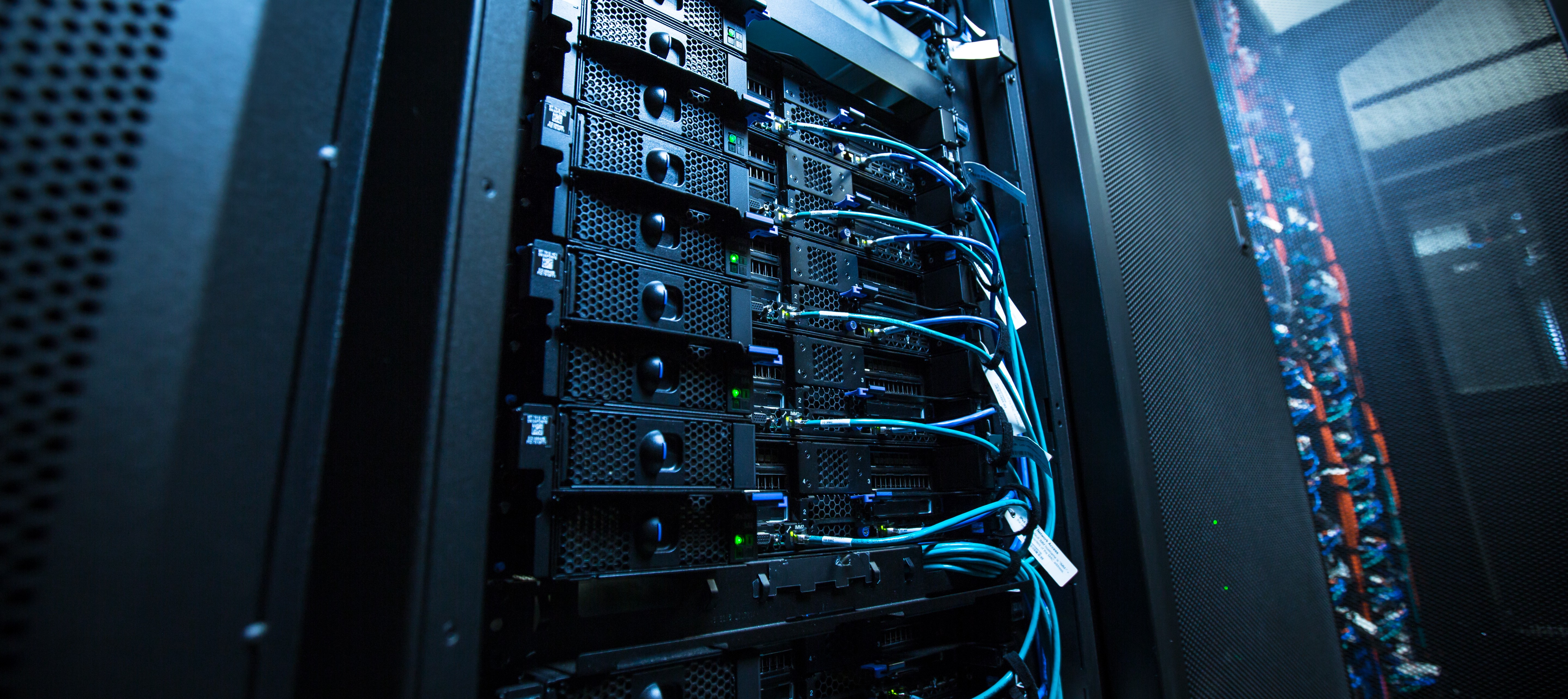
Most businesses believe they’ve solved downtime the moment they introduce redundancy. Dual internet connections, multiple switches, backup firewalls, replicated storage, failover clusters. On paper, it looks resilient. In practice, it often isn’t. Because redundancy, when improperly designed, doesn’t eliminate risk. It redistributes it, hides it, and in many cases, amplifies it.
Most businesses believe they’ve solved downtime the moment they introduce redundancy. Dual internet connections, multiple switches, backup firewalls, replicated storage, failover clusters. On paper, it looks resilient. In practice, it often isn’t. Because redundancy, when improperly designed, doesn’t eliminate risk. It redistributes it, hides it, and in many cases, amplifies it.

The IT Bottleneck Nobody Plans For: Why Growth Breaks Your Technology Before It Breaks Your Business
Growth is supposed to be the goal. More clients, more revenue, more opportunity. But for most small and mid-sized businesses, growth introduces a problem that rarely gets discussed until it becomes unavoidable, IT stops scaling.
The IT Bottleneck Nobody Plans For: Why Growth Breaks Your Technology Before It Breaks Your Business
Growth is supposed to be the goal. More clients, more revenue, more opportunity. But for most small and mid-sized businesses, growth introduces a problem that rarely gets discussed until it becomes unavoidable, IT stops scaling.

In today’s technology landscape, outsourcing IT is no longer a tactical decision, it is a strategic one. Businesses are not simply looking for someone to fix issues, they are looking for stability, security, and a foundation that enables growth. The Managed Service Provider model was originally designed to meet this need, offering predictable support and centralized management. However, as technology environments have become more complex and threat landscapes more aggressive, the traditional MSP model has failed to evolve at the same pace.
In today’s technology landscape, outsourcing IT is no longer a tactical decision, it is a strategic one. Businesses are not simply looking for someone to fix issues, they are looking for stability, security, and a foundation that enables growth. The Managed Service Provider model was originally designed to meet this need, offering predictable support and centralized management. However, as technology environments have become more complex and threat landscapes more aggressive, the traditional MSP model has failed to evolve at the same pace.
All Posts
All Posts

For years, IT leaders have battled a familiar challenge known as Shadow IT. Employees would adopt unauthorized software, cloud services, file-sharing platforms, and collaboration tools without the knowledge or approval of the technology department. While these decisions were often made with good intentions, they created security gaps, compliance risks, and operational complexity that organizations struggled to manage.
In late May 2026, Carnival Corporation disclosed a significant cybersecurity breach impacting nearly six million individuals. According to public disclosures, attackers gained access through a compromised employee account after successfully using social engineering techniques. The breach resulted in unauthorized access to personal information including names, addresses, contact information, and certain government identification details.
Most business leaders assume their technology environment is relatively simple. They know which computers are deployed, which software subscriptions are approved, and which cybersecurity tools are protecting the organization. Unfortunately, that assumption is often wrong.

Most businesses still evaluate infrastructure health using outdated measurements. If systems are online, users can log in, and applications appear operational, leadership assumes the environment is stable. Unfortunately, that assumption has become increasingly dangerous in modern IT environments.

Technology environments no longer operate inside a clearly defined boundary. A decade ago, most businesses focused heavily on protecting office networks, physical servers, and on premises infrastructure because the majority of users, systems, and applications lived inside a centralized environment. That model has fundamentally changed. Today, employees work remotely, applications exist across multiple cloud platforms, vendors access internal systems externally, and business data continuously moves between services that many organizations do not fully control.

In early 2026, enterprise technology providers and managed service platforms accelerated the rollout of autonomous infrastructure capabilities powered by AI-driven decision engines. Unlike traditional automation, these systems are designed to interpret conditions, make contextual decisions, and execute remediation actions without human intervention. What began inside hyperscale cloud environments has now expanded into mid-market tooling, including platforms used daily by MSPs and internal IT teams.
For years, IT leaders have battled a familiar challenge known as Shadow IT. Employees would adopt unauthorized software, cloud services, file-sharing platforms, and collaboration tools without the knowledge or approval of the technology department. While these decisions were often made with good intentions, they created security gaps, compliance risks, and operational complexity that organizations struggled to manage.
In late May 2026, Carnival Corporation disclosed a significant cybersecurity breach impacting nearly six million individuals. According to public disclosures, attackers gained access through a compromised employee account after successfully using social engineering techniques. The breach resulted in unauthorized access to personal information including names, addresses, contact information, and certain government identification details.
Most business leaders assume their technology environment is relatively simple. They know which computers are deployed, which software subscriptions are approved, and which cybersecurity tools are protecting the organization. Unfortunately, that assumption is often wrong.
Most businesses still evaluate infrastructure health using outdated measurements. If systems are online, users can log in, and applications appear operational, leadership assumes the environment is stable. Unfortunately, that assumption has become increasingly dangerous in modern IT environments.